

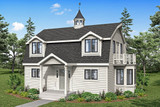
In a design era shaped by innovation, sustainability, and timeless appeal, small farmhouse plans have emerged as the defining architectural statement of 2025. Once viewed as humble or purely practical, these homes now represent a refined balance between heritage and modern living, where every square foot has intention and every detail carries meaning.
Across suburban neighborhoods, rural homesteads, and compact infill lots, the modern small farmhouse has become an enduring icon of American architecture. Its beauty isn’t just in its appearance: steep rooflines, generous porches, and classic board-and-batten siding, but in what it symbolizes: a shift toward simplicity, affordability, and connection to the outdoors.
As economic, environmental, and lifestyle priorities continue to evolve, one question persists: is small home design merely a passing fad, or a permanent cornerstone of modern design? The answer lies in how gracefully this style continues to adapt for new generations of homeowners.
A Cultural Shift Toward Smaller, Smarter Living
For much of the 20th century, the American dream was built on size. Large homes meant achievement, room to grow, and space to gather. Yet over the past decade, especially following 2020, a quiet counter-movement took hold: a return to simplicity and thoughtful design.
Rising building costs, environmental awareness, and flexible work-from-home lifestyles have reshaped what buyers value most. Instead of sheer square footage, today’s homeowners seek balance: bright, flexible spaces that feel expansive, functional, and personal.
That’s where the small farmhouse shines. Born from agrarian practicality and rooted in honest craftsmanship, this architectural form naturally aligns with modern values. Typically ranging from 800 to 2,000 square feet, these homes distill the essence of farmhouse living efficiency, beauty, and endurance into every inch.
Understanding the Elements of a Small Farmhouse Design
What separates a small farmhouse from other compact home styles? It’s the harmony between tradition and innovation, designs that feel authentic, enduring, and purpose driven.
Architecturally, small farmhouse plans are simple and symmetrical, featuring layouts that emphasize function and flow. Key elements often include:
- Welcoming porches that extend living space outdoors and connect home to landscape.
- Gabled or hipped roofs that highlight the vertical profile and simplify construction.
- Board-and-batten or lap siding, frequently paired with standing-seam metal roofing for a handcrafted look.
- Ample windows that flood interiors with natural light and frame scenic views.
- Open floor plans linking kitchens, dining rooms, and great rooms for effortless daily interaction.
- Practical entry zones like mudrooms that maintain organization in smaller footprints.
This architectural DNA traces back to America’s earliest rural homes, structures designed not for show, but for resilience. Today, those same principles remain relevant, modernized through energy-efficient materials and adaptable interiors.
Small farmhouses generally fall into three size subcategories:
- Tiny Farmhouses (800–1,200 sq. ft.) – Ideal for couples, vacation retreats, or accessory dwellings.
- Small Farmhouses (1,200–1,600 sq. ft.) – Perfect for young families or downsizers seeking efficiency.
- Upper-Small Farmhouses (1,600–2,000 sq. ft.) – Slightly larger designs accommodating offices or multi-generational needs.
Across all, the guiding philosophy remains the same: well-lit, well-planned homes that feel far larger than their square footage.
From Heritage to Modern Refinement: A Design Evolution
The farmhouse’s origins are deeply tied to the American landscape. Early examples were purely functional, built with local materials, scaled for need, and aligned to climate. Over time, as agrarian living faded, the farmhouse evolved into a symbol of authenticity and simplicity amid suburban growth.
The modern farmhouse revival of the 2010s transformed that legacy into a design phenomenon. Clean lines, black-framed windows, and white siding defined a new aesthetic, yet rustic tradition reinterpreted with modern polish.
Now, in 2025, farmhouse architecture has reached what many call the Refined Farmhouse Era, a movement emphasizing longevity and authenticity over trendiness.
The Evolving Character of the 2025 Farmhouse
- Simplified Finishes: Rustic overload gives way to restrained, textural warmth.
- Updated Palettes: Deep earth tones, rich greens, and warm woods are replacing bright whites.
- Regional Adaptation: Plans are fine-tuned for climate from shaded porches in humid zones to snow-ready roofs in colder regions.
- Sustainable Building: Solar-ready roofs, efficient windows, and high-performance insulation are standard.
- Balanced Layouts: Open floor plans coexist with defined spaces for work, privacy, and retreat.
This evolution reflects a deeper appreciation for timeless design where modern life meets enduring craftsmanship.
Design Priorities and Trends in Small Farmhouse Plans
Small farmhouse plans in 2025 aren’t simply scaled down versions of larger homes. They’re thoughtfully engineered to make every inch functional. The best plans combine timeless architecture with flexible modern living.
Here are the defining layout and design trends shaping the year’s most popular plans:
- Purposeful Open Living
The open-concept ideal continues, but with zoning in mind where kitchens double as work hubs, dining areas flow to outdoor spaces, and flex rooms shift between guest, office, or playroom use. - Main-Level Primary Suites
Single-story layouts or first-floor suites accommodate aging in place and family convenience, offering comfort within compact footprints. - Smarter Storage Solutions
Mudrooms, walk-in pantries, and well-planned closets make storage integral to design, not an afterthought. - Indoor-Outdoor Synergy
Covered porches, patios, and expansive windows blur the line between home and landscape, expanding usable space. - Built-In Energy Efficiency
Insulation, efficient HVAC systems, and high-performance glazing ensure sustainability is standard practice, not an upgrade. - Flexible Bedrooms
Two-bedroom designs with bonus rooms or three-bedroom layouts with convertible spaces offer flexibility for evolving lifestyles.
The Enduring Appeal of Farmhouse Architecture
Throughout design history, few styles have proven as enduring or as adaptable as the farmhouse. While décor trends shift, the core architectural values remain practical, proportional, and connected to nature.
Farmhouses persist because they work. Their layouts reflect real life, their materials weather gracefully, and their aesthetic appeals across generations. Whether situated on rural land or suburban lots, they maintain character and charm, scaling beautifully from 1,000 to 2,000 square feet.
Even as “modern farmhouse” as a phrase evolves, the concept endures anchored by authenticity and simplicity
The Practical Economics of Building a Small Home
Smaller doesn’t always mean less expensive per square foot, but it does mean strategic design.
Compact farmhouse plans reduce overall costs through simple forms, efficient foundations, and predictable framing systems. Gabled roofs, rectangular footprints, and minimal hallways keep budgets balanced without sacrificing comfort.
While 2025 construction costs vary by region and finish, small farmhouses remain one of the most cost-effective paths to homeownership - especially when paired with thoughtful design choices like:
- Simple rooflines for reduced maintenance.
- Streamlined floor plans that maximize livability.
- Selective high-end finishes for luxury impact on a budget.
- Energy-efficient features that lower long-term costs.
Beyond affordability, smaller homes inherently promote sustainability, meaning using fewer materials and consuming less energy over their lifespan.
How to Choose the Right Small Farmhouse Plan
Whether starting from scratch or selecting a ready-to-build design, a great small farmhouse begins with smart planning.
- Flow & Circulation: Layouts should guide movement naturally and efficiently.
- Natural Light: Large windows and multi-directional exposure expand perceived space.
- Ample Storage: Every square foot should support daily functionality.
- Kitchen Design: Efficient work zones and generous islands make daily living smoother.
- Outdoor Living: Porches and patios aren’t extras, they’re essential to farmhouse life.
The best designs unite function, comfort, and emotional connection, creating homes that feel calm and grounded.
Homeowners Who Love the Small Farmhouse Lifestyle
The small farmhouse’s adaptability is one of its greatest strengths, an architectural chameleon that suits a wide range of homeowners and lifestyles. Whether you’re stepping into your first home, looking to downsize, or seeking an efficient rental design, these plans deliver the perfect balance of comfort, style, and practicality:
- Couples and Empty Nesters: Two-bedroom, single-level layouts provide comfort without excess maintenance.
- Young Families: Three-bedroom designs with open living spaces and mudrooms fit daily life seamlessly.
- Remote Workers: Plans with flex rooms near the entry offer ideal home office setups.
- Multi-Generational Households: Split-bedroom layouts provide privacy while maintaining connection.
- Investors: Straightforward construction and timeless curb appeal make small farmhouses strong rental and resale candidates.
Each of these audiences finds something deeply personal in the small farmhouse: authenticity, balance, and emotional warmth. These homes prove that comfort and character don’t depend on square footage - they depend on intention. Whether it’s a starter home, a retirement haven, or a rental investment, the small farmhouse resonates because it feels timelessly human.
The Enduring Appeal of the Small Farmhouse
As 2025 unfolds, the small farmhouse stands as both a nostalgic echo of America’s rural past and a forward-thinking model for sustainable living. It bridges eras blending handcrafted charm with the precision and efficiency of contemporary architecture. The result is a design language that feels familiar yet refreshingly modern, like a new chapter written in an old, beloved storybook.
Part of its magic lies in its honesty. The farmhouse doesn’t pretend it celebrates structure, function, and craft. From exposed rafters to natural wood tones, every detail feels intentional and grounded. Its proportions, neither grand nor diminutive, offer visual harmony that translates across locations and lot types. Whether nestled among rolling hills, standing proud in a quiet cul-de-sac, or overlooking a meadow, the small farmhouse always feels at home.
The style’s longevity also reflects a growing desire for authentic living homes that prioritize quality over quantity, connection over complexity. Where once homeowners pursued excess, many now seek design that restores balance. The small farmhouse captures that spirit effortlessly, creating a space where modern convenience meets emotional comfort.
While trends evolve - black windows may fade to bronze, and white siding may give way to earthy hues - the farmhouse essence remains unshakable: warmth, simplicity, and enduring livability. For designers, builders, and homeowners alike, it continues to serve as a blueprint for architecture that stands the test of time: gracefully, humbly, and beautifully.
Discovering the Ideal Small Farmhouse Design
For those ready to explore professional small farmhouse designs, Associated Designs remains a trusted leader in home plan innovation and customization.
With decades of experience in architectural design, Associated Designs offers a curated collection of plans that celebrate craftsmanship and efficiency. Each home is professionally drawn to ensure structural soundness, local code compliance, and ease of construction. Every plan can be tailored by our expert design staff - whether it’s adding a wraparound porch, expanding a kitchen, or reconfiguring rooms for your specific site or lifestyle.
Our extensive library includes everything from cozy 900-square-foot cottages perfect for retirees or vacation homeowners to spacious 2,000-square-foot family farmhouses with open-concept living and flexible home offices. Each design reflects a careful blend of traditional farmhouse character and modern refinement, crafted for how people truly live today.
With thoughtful detailing, customer-focused service, and a deep respect for timeless architecture, Associated Designs continues to inspire homeowners, builders, and developers across the country. Their small farmhouse plans aren’t just blueprints - they’re the beginning of a home story built to last for generations.


