

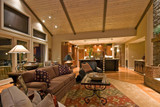
The open house plan has redefined the way we approach modern residential design, replacing traditional segmented layouts with seamless, integrated spaces that encourage daily interaction and effortless entertaining. Central to this concept is the great room, a spacious area that blends the kitchen, dining, and living zones into one unified, multifunctional hub—often becoming the focal point of the entire home.
Grasping the value of open house plans is crucial for anyone planning a new build or major remodel, as this layout style has become a hallmark of contemporary living. Whether you're drawn to compact tiny house plans, efficient small home designs, or expansive ranch house plans, the open concept approach brings a sense of freedom and flow, making interiors feel more expansive, connected, and full of natural light compared to traditional walled-off layouts.
Market research continues to show strong demand for these designs, with more than 70% of today’s homebuyers favoring open floor plans where the great room acts as the heart of the home. This widespread appeal spans across architectural styles—from minimalist cottages to large-scale farmhouse plans—solidifying open concepts as one of the most adaptable and desirable features in modern residential architecture.
Defining Features of Great Room and Open Concept Designs
At the heart of every effective open house plan is a clear understanding of how the great room functions as the central gathering place. By removing the walls that once separated the kitchen, dining, and living areas, the great room becomes a unified, open space that encourages family connection and allows sunlight to flow freely across the entire main level.
In thoughtfully crafted open house plans, this central living area is typically positioned at the core of the layout, with bedrooms, bathrooms, and other private rooms thoughtfully placed along the edges. This ensures that the great room remains the vibrant hub of daily activity while providing quiet, separate zones for rest and productivity. A key feature of many of these layouts is a centrally located island or peninsula in the kitchen, which serves both as a practical prep area and a soft visual divide between culinary and lounging spaces—without interrupting the room’s sense of openness.
Design features such as vaulted or cathedral ceilings further elevate the ambiance of the great room, making even compact layouts feel expansive and airy. Exposed beams—whether functional or purely decorative—are also a common design choice, lending character and visually segmenting areas within the open space without sacrificing cohesion.
Another hallmark of successful open house plans is the seamless integration of outdoor living. Large sliding doors or full window walls often link the great room to a patio, deck, or covered outdoor lounge, expanding the home’s functional footprint. This connection is especially valuable in ranch house plans and single-level designs, where uninterrupted transitions between indoor and outdoor environments enhance both livability and visual appeal.
Open Concept Favorites for Every Home Size
Small house plans and tiny house designs greatly benefit from the efficiency and spacious feel that open concepts provide. In layouts under 1,000 square feet, the great room often encompasses nearly the entire shared living area, with only bedrooms and bathrooms sectioned off by full walls. These compact homes rely on open sightlines and strategic layouts—like furniture arrangement and layered lighting—to define functional zones without sacrificing the open flow that makes smaller homes feel dramatically larger.
For mid-size homes between 1,200 and 2,000 square feet, the great room truly hits its stride. These designs often allocate between 400 and 600 square feet to the central living space, creating room for well-defined kitchen, dining, and living areas—while preserving the interconnected atmosphere that defines a successful open house plan. In two-story house plans, the great room may feature soaring ceilings that span both levels, adding a sense of volume and visual grandeur that elevates the overall design.
Homes exceeding 2,500 square feet offer even more flexibility, allowing for generously sized great rooms ideal for hosting and relaxing. These spaces can accommodate multiple furniture groupings, oversized islands with bar seating, and open formal dining areas that flow naturally into the main living space. Popular styles like Craftsman house plans and farmhouse designs often embrace these expansive open layouts, using them to highlight exposed beams, stone fireplaces, or large windows that further enhance the home’s character.
The versatility of open house plans also extends to customization. Homeowners can tailor the open layout to suit their lifestyle, incorporating partial walls, columns, or built-in cabinetry to create gentle transitions between spaces. Others might prefer architectural accents—like dropped ceilings or varied flooring—that offer subtle distinctions while preserving the unified, airy quality that defines open concept living.
Adapting Open Concepts to Fit Any Aesthetic
Modern farmhouse plans have become a leading showcase for open house plan design, blending rustic charm with modern functionality. These homes often highlight great rooms adorned with exposed wood beams, shiplap finishes, and oversized kitchen islands that double as prep areas and casual gathering spots. The cozy-yet-open farmhouse style infuses character into the layout while preserving the airy, communal feel that defines open concept living.
Similarly, ranch house plans serve as a natural fit for the open concept model. Their single-level footprint allows for uninterrupted flow across the main living areas. Many of these homes feature great rooms that span the entire depth of the structure, filled with natural light from large windows and glass doors leading to outdoor patios or decks. Vaulted ceilings that mirror the roofline add architectural drama and make the central space feel even more expansive.
For a more dramatic take, A-frame house plans and rustic cabin designs often use their distinctive rooflines to create soaring vertical volume in the great room. These layouts typically place the main living space front and center, with private bedrooms tucked into lofts or flanking wings. The result is a layout that feels both open and intimate, embracing nature and privacy in equal measure.
Pushing the boundaries further, contemporary and modern house plans fully embrace the open concept philosophy. These designs frequently blur the lines between interior and exterior living, utilizing large sliding or folding glass wall systems that extend the great room directly into outdoor entertaining spaces. Clean lines, uncluttered interiors, and a minimalist approach to form and material all enhance the feeling of openness. By minimizing visual barriers, these homes amplify the spatial impact of the open house plan, offering a sleek, modern take on connected living.
Getting the Most Out of Your Open House Plan
Designing a successful open house plan demands thoughtful attention to both visual cohesion and practical functionality, particularly within the great room. One of the key elements is managing sight lines and traffic flow to ensure the space feels welcoming and intuitive. Effective layouts create natural pathways between living, dining, and kitchen zones without producing awkward, empty stretches that are hard to decorate or feel disconnected. Architectural touches like columns, partial walls, or varied ceiling treatments can offer subtle delineation without disrupting the open, airy feel that defines this popular layout style.
Lighting plays a critical role in maximizing the versatility and appeal of the great room. Because this space serves multiple purposes, layered lighting is essential. Recessed lights provide soft ambient glow, task lighting over islands and counters ensures visibility for cooking or working, and accent lighting can draw attention to unique design features, such as a fireplace or exposed beams. Together, these lighting strategies enhance the atmosphere and flexibility of the open concept.
While often overlooked, acoustic planning is another essential consideration in open house plans. With fewer walls, sound travels more freely, potentially creating noisy or echo-prone environments. Adding plush rugs, upholstered furniture, curtains, or acoustic panels helps absorb sound, ensuring the space remains pleasant and comfortable without compromising the open layout.
Creative storage solutions are also crucial, as conventional cabinetry and closets can block sight lines and disrupt the minimalist appeal. Instead, smart built-ins, multi-purpose furniture, and kitchen islands with hidden storage help keep the great room uncluttered and highly functional. These integrated features preserve the seamless look while offering the practicality today’s homeowners expect.
Ultimately, investing in a well-designed open house plan enhances not only day-to-day livability but also long-term property value. These layouts are inherently flexible, adapting to a variety of lifestyles and evolving family needs. Whether you're building a modest tiny home or a sprawling custom estate, embracing open concept principles ensures your home feels modern, connected, and ready to meet the demands of contemporary living.


