

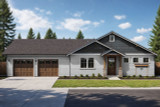
Across the Pacific Northwest, small house plans under 2,000 square feet continue to grow in popularity as homebuyers look for practical, efficient, and thoughtfully designed homes that fit both their budgets and their lifestyles. Whether you’re building on a forested lot, an in-town infill site, or a view property near the coast or mountains, smaller homes offer flexibility, comfort, and design solutions that respond well to the way people live in the Northwest.
At Associated Designs, we work with homeowners throughout Washington, Oregon, and beyond who are seeking homes that balance everyday livability with smart construction and long-term value. But choosing the right small home plan involves more than just square footage. Homebuyers often ask:
- What are the benefits of choosing a smaller house plan?
- What design features make a small home feel larger?
- Should I choose a one-story or two-story layout?
- How many bedrooms and bathrooms can fit comfortably?
- How can I maximize storage and avoid clutter?
In this guide, we’ll walk through these common questions and show how today’s small house plans can deliver comfort, style, and livability—without wasted space.
Why Choose a Small House Plan Under 2,000 Sq Ft?
Affordability Without Sacrificing Design Quality
In the Pacific Northwest, where labor, materials, and site preparation can significantly impact overall building costs, a smaller footprint can make a meaningful difference. Small house plans typically offer:
- Lower construction costs
- Reduced material requirements
- Greater flexibility to invest in better finishes and building systems
Rather than paying for unused square footage, many homeowners choose to invest in features that improve daily comfort and long-term performance, such as durable siding, energy-efficient windows, upgraded insulation, and covered outdoor living spaces suited to Northwest weather.
Lower Utility and Maintenance Costs
Smaller homes naturally require less energy to heat and cool, which is especially valuable in climates that experience cool winters and damp shoulder seasons. Over time, homeowners benefit from:
- Reduced monthly utility bills
- Less exterior and interior maintenance
- Lower long-term operating costs
For many Northwest homeowners focused on sustainability and responsible resource use, small homes align well with both environmental and financial goals.
Efficient Living That Matches How People Use Their Homes
Today’s homebuyers are less interested in formal rooms and more focused on flexible, connected living spaces. Small house plans are typically designed with:
- Open-concept main living areas
- Flexible rooms for home offices or guests
- Efficient traffic flow with minimal hallway space
This approach supports everyday routines, remote work, and casual entertaining—without allocating square footage to spaces that rarely get used.
Well-Suited for Many Life Stages
Small house plans appeal to a wide range of homeowners, including:
- First-time buyers building on smaller or rural lots
- Empty nesters looking to downsize without giving up comfort
- Vacation homeowners in coastal or mountain communities
- Families who value smart layouts over oversized homes
With good design, homes under 2,000 square feet can feel just as functional and welcoming as much larger houses.
What Makes a Small House Feel Bigger?
A well-designed small home doesn’t feel tight or restrictive—it feels intentional and well-balanced. Several design strategies can significantly improve both comfort and perceived spaciousness.
Open Living Areas
Open layouts remain one of the most effective ways to make a small home feel larger. By combining the:
- Kitchen
- Dining area
- Great room
into a single shared space, natural light can travel freely throughout the home, and visual barriers are minimized.
This creates:
- Better sightlines across the home
- Easier entertaining and family interaction
- More flexibility for furniture placement
In the Pacific Northwest, open living areas also allow homeowners to take advantage of natural light during shorter winter days.
High Ceilings and Vaulted Spaces
Vertical space plays a major role in how open a home feels. Many small house plans incorporate:
- Vaulted great rooms
- Cathedral ceilings in living areas
- Tray ceilings in primary bedrooms
These architectural features add volume and character without increasing the home’s footprint, making spaces feel brighter and more expansive.
Thoughtful Window Placement
Natural light is especially important in Northwest homes, where cloud cover is common during much of the year. Smart designs often include:
- Large windows oriented toward views or sunlight
- Sliding glass doors opening to covered patios or decks
- Clerestory windows for privacy with added daylight
Framing outdoor scenery, whether it’s trees, water, or mountain views, also helps visually extend interior spaces.
Simple, Efficient Room Shapes
Efficient plans avoid complicated room shapes that limit furniture placement or waste usable square footage. Instead, they focus on:
- Clean rectangular or square rooms
- Straightforward furniture layouts
- Minimal hallway and circulation space
This ensures that more of the home’s square footage is devoted to livable, functional areas.
Strong Indoor-Outdoor Connections
Because outdoor living is such an important part of Northwest lifestyles, many small house plans are designed with:
- Covered front or rear porches
- Screened-in outdoor rooms
- Decks or patios directly connected to living areas
When outdoor spaces feel like natural extensions of the interior, the home functions larger than its actual square footage suggests.
One-Story vs. Two-Story: Which Works Better in Small Homes?
Both one-story and two-story layouts can be very successful under 2,000 square feet. The best option depends on your lot, lifestyle, and long-term plans.
Benefits of One-Story Small House Plans
Single-level homes are popular in the Northwest for several reasons, including:
- Easier long-term accessibility
- Safer movement for families with young children
- Simpler construction on flatter rural or suburban lots
Additional benefits include:
- No stairs to navigate
- Easy access to all rooms
- Straightforward maintenance and remodeling
Many one-story plans also feature vaulted living areas that add openness while keeping everything on a single level.
Benefits of Two-Story Small House Plans
On narrower urban lots or view-oriented properties, building up instead of out can be the better solution. Two-story homes allow for:
- Smaller building footprints
- More usable yard or outdoor living space
- Clear separation between public and private areas
Bedrooms located on the upper floor offer privacy, while the main level is dedicated to daily living and entertaining.
Choosing Based on Your Lot
Lot conditions are a major factor in layout decisions. Homeowners should consider:
- Lot width and depth
- Slope and site access
- Local zoning and setback requirements
- Where the best views and sunlight are located
A compact two-story design may suit an infill lot, while a single-story layout may work better on wider rural properties or view lots where spreading out captures scenery.
Thinking About Long-Term Livability
When choosing between layouts, it’s helpful to plan ahead:
- Will stairs become challenging later?
- Do you want guest rooms separate from daily living spaces?
- Do you need flexibility for future lifestyle changes?
Both one- and two-story homes can be designed efficiently under 2,000 square feet about matching the layout to how you plan to live in the home over time.
How Many Bedrooms and Bathrooms Fit Comfortably Under 2,000 Sq Ft?
Small homes are far more versatile than many people expect. With efficient layouts, they can comfortably support a variety of household sizes.
Typical Bedroom Configurations
Most small house plans include:
- Two to three bedrooms as standard
- Some designs offering four bedrooms with compact layouts
Split-bedroom designs are especially popular, separating the primary suite from secondary bedrooms to provide privacy for families, guests, or multigenerational households.
Bathroom Options
Common bathroom layouts include:
- Two full bathrooms
- Or two and a half baths with a main-floor powder room
Primary suites usually feature private bathrooms, while hall baths serve secondary bedrooms and guests.
Flex Rooms and Multi-Purpose Spaces
Many small house plans include rooms that can adapt over time, such as:
- Home offices
- Guest rooms
- Hobby or craft spaces
- Playrooms or media rooms
These flexible spaces allow homeowners to adjust their home’s function as needs change, without increasing square footage.
Practical Bedroom Sizing
Instead of oversized bedrooms, small home designs focus on:
- Adequate closet storage
- Space for essential furniture
- Efficient room proportions
This approach keeps bedrooms comfortable while preserving more space for shared living areas.
How to Maximize Storage and Reduce Clutter in a Small Home
Good storage design is essential in compact homes. The best small house plans integrate storage throughout the entire layout.
Built-In Storage Features
Look for plans that include:
- Entry benches with storage cubbies
- Mudroom lockers for coats and boots
- Window seats with hidden compartments
- Built-in shelving and cabinetry
These features support everyday organization and reduce the need for bulky standalone furniture.
Efficient Closet Design
Well-planned closets can make a big difference in daily living. Quality designs include:
- Walk-in closets in primary suites
- Linen closets in hallways and bathrooms
- Pantry storage in kitchens
Customizable shelving systems can further increase usable storage capacity.
Kitchen Storage That Works Harder
Because kitchens are often part of open living spaces, keeping them organized is especially important. Smart layouts include:
- Tall pantry cabinets
- Deep drawers for pots and dishes
- Corner cabinet solutions
Vertical storage helps keep counters clear and workspaces functional.
Laundry and Utility Storage
Even compact laundry areas can be designed to include:
- Overhead cabinets
- Folding counters
- Utility closets for cleaning supplies
This keeps storage needs from spilling into living spaces.
Garage and Outdoor Storage
In the Northwest, homeowners often need space for outdoor gear, gardening tools, and seasonal equipment. Small house plans may include:
- Dedicated storage zones in garages
- Mechanical closets for utilities
- Optional sheds or detached garages
Planning for these items helps keep interior spaces organized and clutter-free.
Designing Small Homes That Live Large
Great small homes are not about giving things up—they’re about making smart design choices. Every square foot is planned to support daily routines, comfort, and long-term flexibility.
At Associated Designs, we focus on creating house plans that provide:
- Comfortable bedroom layouts
- Open, light-filled living areas
- Functional kitchens and bathrooms
- Built-in storage opportunities
- Flexible spaces that adapt over time
From cozy cottages and Craftsman-inspired homes to modern Northwest designs with strong indoor-outdoor connections, small house plans can offer outstanding livability in a compact footprint.
Finding the Right Small House Plan for Your Northwest Lifestyle
Choosing a home plan is one of the most important steps in the building process. When evaluating small house plans under 2,000 square feet, consider:
- How you plan to use shared living spaces
- Your storage needs and hobbies
- Accessibility preferences for long-term comfort
- Lot size, slope, and orientation
- Local climate and outdoor living goals
With the right design, a smaller home can provide exceptional comfort, flexibility, and efficiency often with lower building and operating costs than larger homes.
If you’re ready to explore professionally designed small house plans created with real Northwest living in mind, Associated Designs offers a wide selection of customizable plans to fit a variety of lots, lifestyles, and architectural styles.
Small doesn’t mean limited. With thoughtful design, it means living well, right where you want to be.


