

As lifestyles continue to evolve across the Pacific Northwest, home design in 2026 reflects a thoughtful response to climate, landscape, and the way people truly live in the region. From coastal communities to mountain towns and suburban neighborhoods, buyers are seeking homes that feel grounded, efficient, and deeply connected to their surroundings.
At Associated Designs, we see growing demand for architecture that blends timeless Northwest character with modern livability. The year ahead points to refined exterior styles, flexible floor plans, and smarter use of square footage, homes designed to perform beautifully year-round while supporting long-term comfort and adaptability.
Below, we explore the exterior architectural styles, interior layout trends, and emerging shifts in home size and accessory structures shaping Pacific Northwest residential design in 2026.
Top Exterior Architectural Styles in the Pacific Northwest for 2026
- Northwest Contemporary
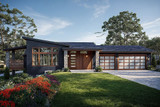
Northwest Contemporary architecture continues to lead the region in 2026, offering a natural fit for the Pacific Northwest’s climate and scenery. These homes emphasize clean lines, expansive windows, and strong indoor-outdoor connections while incorporating wood, stone, and metal for warmth and durability. Low-pitched roofs, deep overhangs, and covered outdoor spaces are especially valued for year-round weather protection.
- Modern Craftsman
Rooted in regional tradition, the Craftsman style remains a cornerstone of Pacific Northwest home design. In 2026, Modern Craftsman homes feature simplified detailing, larger window groupings, and lighter, nature-inspired color palettes while retaining signature elements such as tapered columns, exposed beams, and welcoming front porches. The result is architecture that feels timeless, approachable, and well suited to wooded and suburban settings alike.
- Soft Modern with Natural Materials
Modern homes in the Pacific Northwest are moving away from stark minimalism and toward a softer, more organic aesthetic. Warm modern designs pair contemporary forms with natural textures, muted exterior colors, and abundant glazing. These homes balance modern appeal with the warmth and comfort homeowners expect in a region known for its emphasis on livability and connection to nature.
Top Floor Plan Trends for 2026
- Flexible Living Spaces for Work and Life
As remote and hybrid work continue to shape daily routines, flexible spaces remain essential. In 2026, home offices, bonus rooms, and lofts are designed with long-term adaptability in mind, easily transitioning into guest rooms, creative studios, or secondary living areas as needs change.
- Covered Outdoor Living
Outdoor living is a year-round priority in the Pacific Northwest, and floor plans reflect that reality. Covered decks, screened porches, and outdoor rooms with fireplaces or heaters extend usable living space while providing shelter from the elements. Large sliding doors and window walls strengthen the connection between interior spaces and the outdoors, even during cooler seasons.
- Zoned Layouts and Private Retreats
Buyers are placing increased value on privacy and separation within the home. Primary suites are often positioned away from secondary bedrooms, offering quiet retreats complete with spa-inspired bathrooms and walk-in closets. Zoned layouts that separate living, working, and sleeping areas help improve everyday comfort and functionality, particularly for multi-generational households.
Home Size Trends in the Pacific Northwest for 2026
Rather than maximizing square footage, 2026 emphasizes right-sized homes that balance efficiency, comfort, and cost. Many Pacific Northwest buyers gravitate toward homes in the 1,700 to 2,300 square foot range, which comfortably support open living spaces, private bedroom zones, and ample storage without unnecessary excess. Families seeking additional flexibility often favor plans between 2,300 and 3,000 square feet, allowing room for bonus spaces, guest suites, or expanded outdoor living areas.
Larger homes (generally 3,000 to 3,500 square feet) remain popular in select markets but are increasingly designed with intention. Formal rooms are minimized in favor of flexible gathering spaces, mudrooms, storage solutions, and layouts that perform well in all seasons. Across all sizes, thoughtful design allows homes to feel spacious while remaining energy efficient and practical.
Accessory Structures and Detached Spaces on the Rise
Accessory structures continue to gain momentum throughout the Pacific Northwest. Detached garages with workshops, accessory dwelling units (ADUs), and studio spaces are increasingly incorporated into residential plans. These structures support a range of needs, from rental income and guest accommodations to home offices and creative workspaces.
With evolving zoning regulations and a strong emphasis on property flexibility, homeowners value the ability to expand living and functional space without altering the main home. Associated Designs continues to see strong interest in plans that thoughtfully accommodate garages, ADUs, and outbuildings that complement the primary residence.
Designing for the Pacific Northwest—Now and in the Future
Home design trends for 2026 reflect a clear direction for the Pacific Northwest: architecture that respects the environment, floor plans that adapt to changing lifestyles, and homes sized for comfort rather than excess. These trends support livable, durable, and enduring homes, designed to perform beautifully in a region defined by its natural beauty.
At Associated Designs, our collection of house plans reflects these priorities, offering designs that feel both current and timeless. Whether you’re building a primary residence, a mountain retreat, or a multi-generational home, the right plan provides a strong foundation for living well in the Pacific Northwest.


