

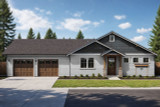
Defining a Rambler House
A rambler house is a one‑level residence crafted with an extended, low‑slung silhouette that highlights horizontal architecture and fluid connections between interior and exterior spaces. Often called a ranch‑style home, ramblers gained widespread popularity in the 1950s and 1960s by providing functional, step‑free living. Characterized by an open layout, generous windows, and direct passages to patios or gardens, these dwellings suit families who value effortless, accessible environments.
In 2025, these one‑story homes are staging a comeback as design trends emphasize aging‑in‑place principles, improved energy performance, and minimal upkeep. The enduring charm of a rambler lies in its harmonious blend of practicality and elegance, making it a top pick for today’s homeowners.
Features that make Rambler House Plans
Architectural Elements
Rambler residences showcase a pronounced horizontal profile and a single‑story layout. Their rooflines often employ gentle slopes and generous eaves that overhang the walls, offering built‑in shade and shelter. Expansive picture windows and sliding glass doors are typical features, flooding interiors with daylight and seamlessly linking living areas to patios, decks, or garden spaces.
Common Floor Plan Layouts
Typical rambler house floor plans embrace an open‑layout scheme, seamlessly transitioning from living rooms into dining and cooking zones. Their elongated, rectangular shape supports versatile room configurations, often situating bedrooms along one flank of the home and placing communal spaces opposite. This arrangement ensures privacy for sleeping areas while preserving the airy, uninterrupted ambiance central to the distinctive rambler design.
Outside Living Spaces
Rambler homes seamlessly integrate interior and exterior spaces with amenities such as sheltered patios, oversized sliding glass doors, and expansive floor‑to‑ceiling panes. Many plans feature wraparound decks or porches that extend living areas outdoors, creating perfect spaces for entertaining guests or enjoying peaceful relaxation. They often open onto landscaped patios or alfresco living spots, taking advantage of scenic garden views.
Materials and Finishes
Classic rambler dwellings showcase organic elements such as wood, stone, and brick, frequently paired with generous glass surfaces. Today’s versions might incorporate modern siding styles, metal details, and eco‑friendly materials, all while preserving the focus on earthy hues and tactile finishes.
Why Opt for a Rambler Home?
Benefits of Accessible Design and Aging in Place
By placing every living area on one floor, rambler homes naturally welcome occupants of all ages and mobility levels. The lack of interior stairs makes these houses particularly well suited for families with young children, older adults, or anyone facing mobility limitations. This seamless, barrier‑free arrangement promotes aging‑in‑place, allowing residents to stay safely and comfortably in their home as their needs evolve.
Advantages of Energy and Efficiency
Compared to multi‑story residences, rambler houses commonly deliver enhanced energy performance. Their single‑level form removes the need to condition multiple floors, and the broad, horizontal footprint maximizes natural daylight, reducing daytime lighting demands. Additionally, the straightforward roof and foundation layout minimizes thermal bridges and air leaks, further boosting insulation efficiency and lowering both heating and cooling loads.
Maintenance Made Simple
With all living spaces at grade, rambler homes simplify exterior upkeep—tasks such as clearing gutters, cleaning windows, and inspecting the roof become easier and safer. And because there are no interior staircases, homeowners avoid stair upkeep and enjoy less stress on floor coverings throughout the house.
Designed for Future Flexibility
Because all rooms sit on one level, rambler homes adapt effortlessly to remodels and expansions. Homeowners can reimagine layouts, introduce new bedrooms or workspaces, and extend the structure without wrestling with the load‑bearing challenges inherent in two‑story alterations.
Origins and Evolution of Rambler Houses
Postwar American Roots
Also called ranch‑style dwellings, rambler homes first appeared in the 1930s but soared in popularity during the post–World War II construction surge of the 1950s and 1960s. Architect Cliff May is widely credited with championing the distinct ranch aesthetic in California, drawing on Spanish colonial hacienda motifs and reinterpreting them for mid‑century American lifestyles.
Mid-Century Modern Influence
Mid‑century modern ideals profoundly shaped the rambler house aesthetic, prioritizing unadorned forms, spacious floor plans, and a strong connection to the outdoors. This movement championed practicality above decorative flourishes, crafting homes that seamlessly meld with and respect their natural surroundings..
Geographical Variations
Throughout the U.S., rambler designs evolve to match regional climates and tastes. In the West, they adopt broad expanses of glass and generous outdoor living areas, while in colder regions they often include attached garages and enclosed entry vestibules..
Contemporary Resurgence
Contemporary rambler dwellings meld the enduring advantages of single‐level layouts with modern styling touches, energy‐smart infrastructure, and premium conveniences. Architects and builders are revitalizing rambler design for homeowners seeking step‐free living, sustainability, and effortless transitions between indoor and outdoor environments.
Essential Considerations for Building a Rambler Houses
Lot Size and Orientation
Rambler homes are ideally sited on expansive parcels that suit their lateral layout. Such lots provide adequate setbacks while preserving seamless ties to outdoor living areas. Pay attention to how the property is oriented to harness daylight and capture prevailing winds for passive cooling.
Foundation Necessities
Because ramblers place all living spaces on a single floor, they require a broader foundation footprint than multi‑story residences of comparable size. A sturdy foundation is vital since the entire home rests at grade. This involves planning for effective site drainage, proper insulation, and reliable moisture control.
Roofing Factors
Rambler roofs are expansive with shallow slopes, demanding meticulous drainage planning and robust weatherproofing. The roofline should echo the home’s horizontal emphasis while shielding against rain and snow. Choose roofing materials that not only bolster the house’s visual appeal but also deliver long‐lasting performance and contribute to energy savings.
Zoning and Building Codes
Always verify local zoning regulations for required setbacks, maximum lot coverage, and height limits, since these factors directly impact rambler home layouts. Many neighborhoods—particularly those governed by design guidelines or homeowners’ associations—impose architectural rules that rambler designs must follow to preserve community aesthetics.
Exploring Design Variations
Traditional vs Contemporary
Traditional rambler homes highlight horizontal profiles, natural finishes, and a seamless blend with the landscape. Modern adaptations often employ cleaner silhouettes, enlarged windows, and contemporary materials while preserving the single‑story, open‑plan layout.
Attached Garage Options
Attached garages are common in rambler plans, mirroring the home’s long profile. Options span single‑car bays for compact designs to three‑car garages on larger sites, all placed to preserve the design’s visual balance.
Bonus Space Layout
Although rambler homes are naturally single‑level, many floor plans feature finished basements, attic or loft conversions, and bonus rooms, expanding living space while maintaining effortless, step‑free access on the main floor.
Accessibility Rooted
With their single-level layout, rambler homes offer inherent accessibility, and adding elements such as widened doorways, roll-in showers, and seamless thresholds is straightforward in rambler designs to achieve universal usability.
Is a Rambler Home the Ideal Choice for You?
If accessibility, efficiency, and comfort are your top priorities, a rambler home could be the perfect choice. Its single‑level layout supports aging‑in‑place, reduces energy costs, minimizes upkeep, and enhances everyday comfort. Perfect for young families, empty nesters, or anyone with mobility needs, ramblers deliver practical, barrier‑free living without sacrificing style..
Delving into Rambler Home Options
As you evaluate rambler home designs, consider your lifestyle priorities, the specific attributes of your lot, and your long‑term objectives. Rambler layouts are naturally adaptable, enabling you to tailor the plan to your needs while retaining the style’s hallmark features.
Partnering with Design Professionals
Collaborate with architects or designers experienced in rambler home design to ensure your residence embodies its defining characteristics and aligns with your personal requirements. Their expertise can guide you through layout choices, finish materials, and site placement to achieve an optimal outcome.
Adopting the Rambler Way of Life
More than merely a blueprint, a rambler house represents a comfortable, accessible lifestyle with a seamless link to outdoor living. Whether you’re planning to build fresh or considering a rambler purchase, understanding its defining hallmarks ensures you make an informed choice that supports your needs for years to come.
Ready to explore rambler designs? Browse our selection of single‑level plans or contact us to customize a Ranch Plan tailored to your vision and requirements.


